Stone crusher machines turn large rocks into usable sizes for construction and mining. Choosing the right type improves output and cuts costs. In this blog, we explain main stone crusher machine types. We also cover mobile stone crusher plant, track crushers, jaw crusher machines, and cone crushers for sale. These insights help you pick what works for your material and site.
Let’s look at each type and its best uses.
Why Knowing Stone Crusher Machine Types Matters
First, different stones need different crushing methods. Hard rock needs strong force; softer stone may need shaping. Using the wrong type causes more wear and slower work.
Next, your project size and site shape the choice. A small site may need a compact unit. A large quarry may run several machines in stages. Knowing types helps match machine to task. This avoids buying more than you need.
Jaw Crusher Machines: Primary Crushing Workhorses
Jaw crusher machines press material between a fixed and a movable jaw. They handle large, hard feed in primary crushing. They give good reduction ratio and suit granite, basalt, and similar stone.
Also, they work well in mobile stone crusher plant setups. You can mount them on wheels or tracks for on-site crushing. Their simple design makes maintenance easier. If you crush big boulders often, this type is a solid base.
Cone Crushers for Sale: Refining Size and Shape
After jaw crushing, you often need finer sizes. Cone crushers for sale compress material between an outer shell and inner core. They shape output into even grains for concrete or asphalt.
They work best for medium to hard stone. Also, they give less flaky product than impact crushers. Some models fit mobile stone crusher plant lines. You can move them with other units for flexible production.
Impact Crushers: Shaping Softer Stone and Recycling
Impact crushers strike feed with speed to break it. They shape softer stone and work well for limestone, sandstone, and recycled concrete. They also produce cubical particles for some applications.
However, they wear faster on very hard rock. For demolition debris or asphalt recycling, they are efficient. Some designs are portable, letting you add them to track crushers fleets for mixed jobs.
Track Crushers: Mobility for Rough and Remote Sites
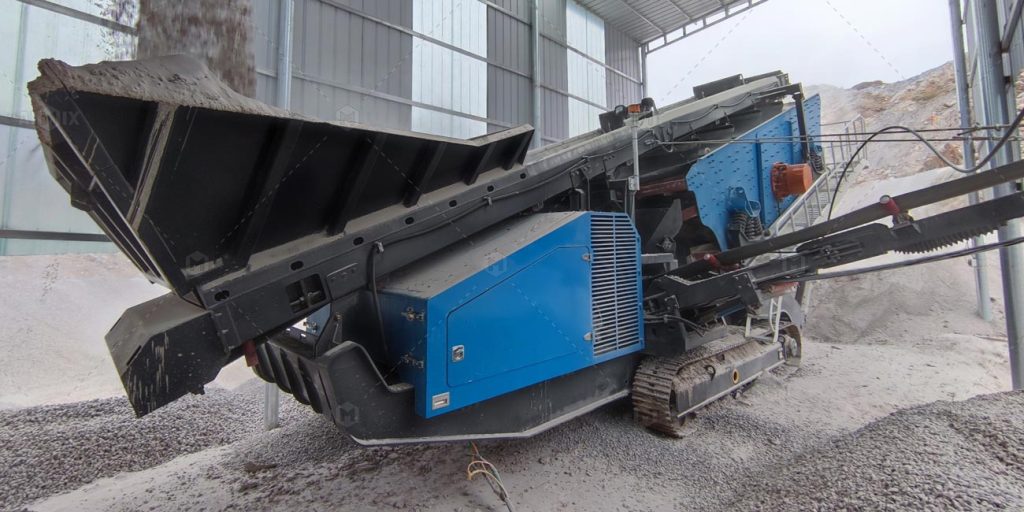
Track crushers move on tracks instead of wheels. This helps them grip uneven, muddy, or steep ground. They reach sites where trucks cannot go.
Also, they suit mountain quarries, forest roads, and island projects. Many track crushers combine jaw or cone units with screening. This gives on-site sorting and reduces material handling. Their mobility saves transport cost and speeds work.
Mobile Stone Crusher Plant: All-in-One Flexibility
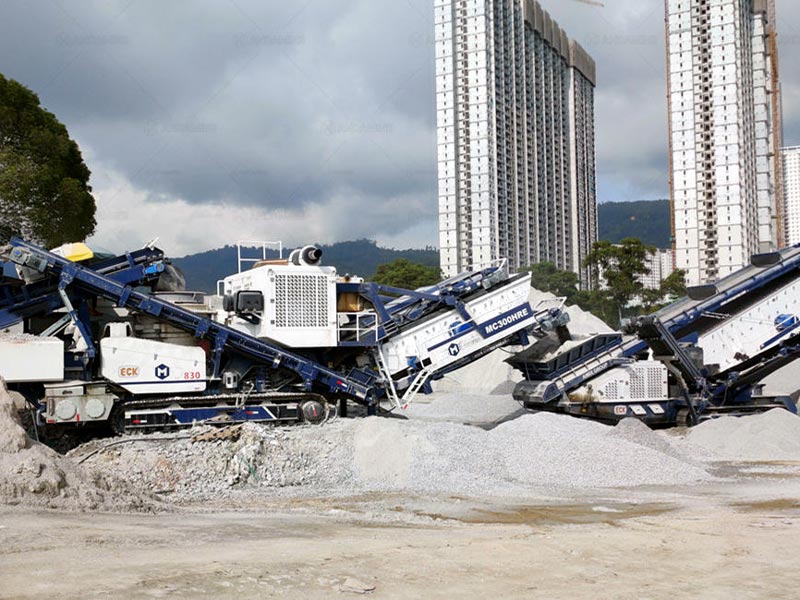
A mobile stone crusher plant groups crushers, screens, and conveyors on one platform. It moves as one unit or in modules. Setup is fast, often in hours.
You can crush and screen near the pit or demolition site. This cuts haulage and boosts efficiency. These plants often use jaw crusher machines for primary work and cone crushers for sale for finishing. Some add track crushers for extra reach.
Roller Crushers: Even Crushing for Brittle Stone
Roller crushers press material between two cylinders. They crush evenly and suit brittle or medium-hard stone. They produce less fines than jaw or impact types.
Their output is more uniform in size. However, they handle smaller feed than jaw crushers. For coal, salt, or soft ores, they work well in specific plants.
Choosing the Right Type for Your Material
Start by testing stone hardness, size, and moisture. Hard, abrasive rock favors jaw or cone types. Softer stone and recycling favor impact crushers.
Next, check site access and mobility needs. If you shift locations, pick mobile stone crusher plant or track crushers. For fixed large quarries, stationary plants may be more economical.
Also, review cone crushers for sale and jaw crusher machines specs. Match capacity to daily tonnage. Avoid under-buying, which causes overtime, or over-buying, which wastes fuel.
Maintenance Tips for All Types
Inspect wear parts often, like jaws, liners, and blow bars. Clean dust and debris to prevent overheating. Lubricate as makers recommend. Use climate-suited oils in cold or hot regions.
Keep common spares on site for fast fixes. Trained crews spot issues early and act fast. Good care lifts life and lowers running cost of any stone crusher machine type.
Conclusion: Match Type to Task for Best Results
Stone crusher machine types differ in design and use. Jaw crusher machines lead in primary crushing of hard rock. Cone crushers for sale refine sizes for high-spec needs. Impact crushers shape softer stone and recycle debris.
Track crushers bring mobility to rough sites. A mobile stone crusher plant offers all-in-one flexibility. By matching type to material, site, and output goal, you gain steady production and lower cost. Choose with care and run with good maintenance for lasting value.