The selection of a ready mix concrete batching plant manufacturer represents a critical decision that influences operational efficiency, product quality, and long-term business viability. This comprehensive analysis addresses the most pertinent questions regarding manufacturer selection, equipment specifications, and operational considerations. The market encompasses a diverse range of concrete batching plants manufacturers, from global equipment giants to specialized regional producers, each offering distinct value propositions. Understanding the nuances of manufacturer capabilities, technological offerings, and support services enables informed decision-making aligned with specific operational requirements and business objectives. This examination provides clarity on the key considerations that should guide the evaluation and selection process for ready mix concrete batching plant manufacturers.
Manufacturer Selection Criteria and Market Positioning
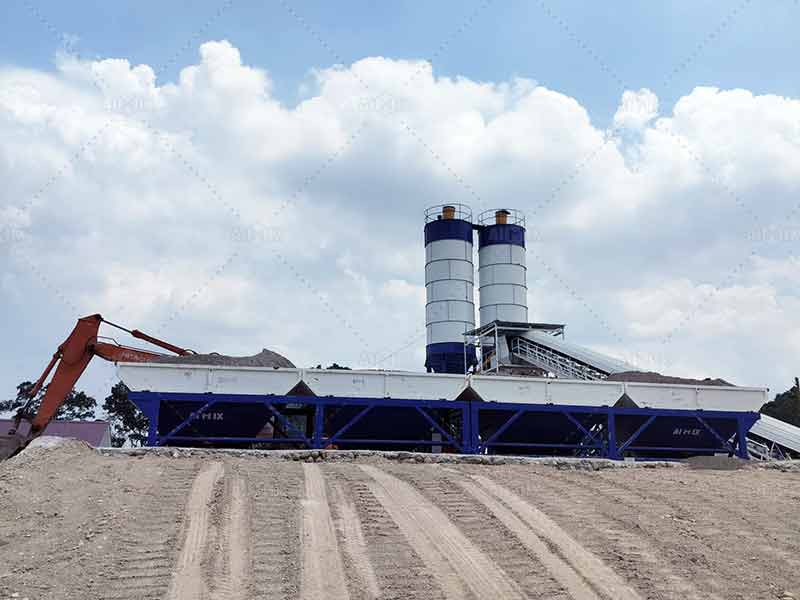
The evaluation of ready mix concrete batching plant manufacturers requires a multidimensional analysis that extends beyond basic equipment specifications. Key selection criteria include manufacturing capabilities, technological sophistication, after-sales support, and financial stability. Established manufacturers with extensive industry experience typically offer more reliable equipment, comprehensive technical support, and proven operational track records. The manufacturer’s market positioning provides valuable insights into their specialization and target customer segments. Some manufacturers focus on high-volume ready mix plants for large-scale infrastructure projects, while others specialize in compact, mobile units for urban construction or specialized concrete production. Understanding a manufacturer’s core competencies and market focus ensures alignment with specific project requirements and operational objectives.
Manufacturer reputation and financial stability represent critical considerations that impact long-term equipment support and parts availability. Companies with strong financial foundations are more likely to maintain consistent spare parts inventories, provide ongoing technical support, and continue product development. The geographical presence and distribution network of a manufacturer influence the accessibility of support services and the availability of replacement parts. Manufacturers with local representation or established dealer networks typically provide more responsive support compared to those operating solely through direct sales channels. The evaluation should also consider the manufacturer’s commitment to research and development, as this indicates their ability to incorporate technological advancements and respond to evolving industry requirements. A thorough assessment of these factors provides a comprehensive understanding of a manufacturer’s capabilities and their suitability for specific operational needs.
Technological Capabilities and Automation Levels
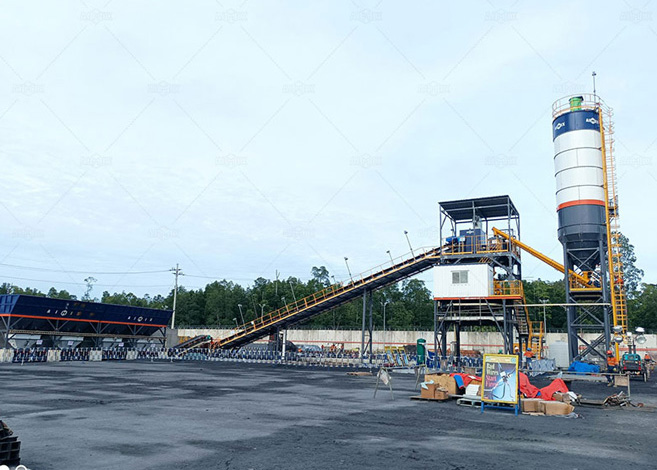
The technological sophistication of a manufacturer’s batching plants significantly influences operational efficiency, product quality, and competitive advantage. Advanced control systems represent a key differentiator, with capabilities ranging from basic manual operation to fully automated systems with integrated quality control. Modern batching plants incorporate programmable logic controllers (PLCs) that automate material proportioning, mixing cycles, and production scheduling. Sophisticated software platforms enable real-time monitoring of production parameters, inventory management, and automated reporting for quality assurance. The integration of touchscreen interfaces and remote monitoring capabilities enhances operational control and facilitates troubleshooting. Manufacturers offering advanced automation solutions provide significant value through improved accuracy, reduced labor requirements, and enhanced product consistency.
Material handling and weighing technologies constitute another critical aspect of a manufacturer’s technological capabilities. High-precision load cells, advanced batching algorithms, and moisture compensation systems ensure accurate material proportioning, directly impacting concrete quality and material costs. Automated admixture dosing systems enable precise control of chemical additions, optimizing performance characteristics while minimizing material usage. Dust collection and environmental control systems reflect a manufacturer’s commitment to sustainable operations and regulatory compliance. The ability to integrate with fleet management and dispatch systems enhances overall operational efficiency. Manufacturers that invest in technological innovation provide concrete batch plant for sale that delivers superior performance, reliability, and operational economics, creating long-term value for their customers.
Customization Options and Project-Specific Engineering
The ability to customize batching plant configurations to meet specific project requirements represents a significant competitive advantage for manufacturers. Customization options encompass plant layout, material storage capacity, production capabilities, and integration with existing facilities. Manufacturers with strong engineering capabilities can develop tailored solutions for challenging site conditions, specialized concrete mixes, or unique operational requirements. Custom silo configurations, specialized material handling systems, and integration with alternative material sources enable optimized operations for specific applications. The flexibility to modify standard designs to accommodate space constraints, environmental considerations, or future expansion plans demonstrates a manufacturer’s commitment to meeting individual customer needs.
Project-specific engineering services extend beyond equipment customization to include comprehensive plant design and layout optimization. Experienced manufacturers provide value engineering services that optimize material flow, minimize energy consumption, and enhance operational efficiency. The design of foundations, utility connections, and material storage areas requires specialized engineering expertise to ensure safe and efficient plant operation. Manufacturers with in-house engineering capabilities can provide integrated solutions that address structural, mechanical, and electrical requirements, reducing project complexity and ensuring system compatibility. The availability of comprehensive engineering support throughout the project lifecycle, from initial planning to commissioning and ongoing optimization, distinguishes leading manufacturers and contributes significantly to project success.
Equipment Specifications and Performance Metrics
The technical specifications of ready mix concrete batching plants provide the foundation for evaluating performance capabilities and suitability for specific applications. Production capacity, typically measured in cubic meters per hour, must align with project requirements and market demand. The plant’s configuration, including the number and capacity of mixers, aggregate bins, and cement silos, determines its ability to handle varying production schedules and concrete mix designs. Mixer capacity and cycle time directly influence production rates, with modern plants achieving cycle times of 60-90 seconds for standard concrete mixes. The accuracy of weighing systems for aggregates, cement, water, and admixtures impacts both product quality and material costs, with high-performance systems achieving accuracies within ±1% for cement and ±2% for aggregates.
Performance metrics extend beyond basic production specifications to encompass operational reliability, energy efficiency, and maintenance requirements. Mean time between failures (MTBF) provides an indication of equipment reliability, with well-designed plants achieving MTBF values exceeding 2,000 hours for critical components. Energy consumption per cubic meter of concrete produced represents a key operational cost factor, influenced by motor efficiency, plant design, and control system optimization. Maintenance accessibility and component standardization impact long-term operating costs and equipment availability. Manufacturers that provide comprehensive performance data and transparent specifications enable accurate evaluation of equipment capabilities and total cost of ownership. A thorough understanding of these specifications and performance metrics is essential for selecting equipment that meets both immediate project requirements and long-term business objectives.
After-Sales Support and Service Infrastructure
The quality and availability of after-sales support services significantly impact the long-term performance and operational economics of batching plants. Comprehensive support encompasses installation supervision, operator training, preventive maintenance programs, and responsive technical assistance. Manufacturers with robust service infrastructures typically offer faster response times, readily available spare parts, and experienced technical personnel. The geographical distribution of service centers and parts inventories directly influences equipment uptime, particularly for operations in remote locations. Service level agreements that define response times, spare parts availability, and technical support parameters provide assurance of ongoing operational support. The availability of remote diagnostics capabilities enables rapid troubleshooting and reduces the need for on-site service visits, minimizing equipment downtime.
Training programs represent a critical component of after-sales support, ensuring that operational personnel possess the knowledge and skills required for efficient and safe plant operation. Comprehensive training typically includes equipment operation, maintenance procedures, troubleshooting techniques, and safety protocols. Manufacturers that offer ongoing training and technical updates help customers optimize wet mix plant performance and adapt to evolving operational requirements. The availability of comprehensive documentation, including operation manuals, maintenance schedules, and parts catalogs, supports effective equipment management. A manufacturer’s commitment to after-sales support is demonstrated through their investment in service infrastructure, technical expertise, and customer relationship management. The quality of these support services directly influences equipment reliability, operational efficiency, and long-term customer satisfaction.
Financial Considerations and Total Cost of Ownership
The financial evaluation of batching plant manufacturers must extend beyond initial equipment costs to encompass the total cost of ownership over the equipment’s operational lifespan. Initial purchase price represents only one component of the total cost, which also includes installation, commissioning, operational expenses, maintenance costs, and potential resale value. Equipment from manufacturers with higher initial costs may offer superior operational efficiency, lower maintenance requirements, and higher residual values, resulting in a lower total cost of ownership. Financing options, including lease arrangements, hire purchase agreements, and equipment loans, influence the financial feasibility of equipment acquisition. Manufacturers that offer flexible financing solutions or partnerships with financial institutions can enhance the accessibility of their equipment.
Operational efficiency directly impacts the economic viability of batching plant operations. Factors such as energy consumption, labor requirements, material utilization, and maintenance costs significantly influence profitability. Advanced control systems that optimize material usage and reduce waste can generate substantial cost savings over time. The reliability of equipment affects production schedules and project timelines, with unplanned downtime resulting in significant financial impacts. Manufacturers that provide equipment with high reliability and operational efficiency contribute directly to improved financial performance. A comprehensive financial analysis, considering both direct and indirect costs, provides a more accurate assessment of the long-term economic value offered by different manufacturers. This holistic approach to financial evaluation ensures that equipment selection decisions align with both operational requirements and financial objectives.
Industry Trends and Future-Proofing Considerations
The ready mix concrete industry is undergoing significant transformation driven by technological advancement, sustainability imperatives, and evolving market demands. Manufacturers that demonstrate awareness of these trends and incorporate forward-thinking design principles offer equipment that remains relevant and competitive over its operational lifespan. The integration of digital technologies, including Internet of Things (IoT) connectivity, data analytics, and artificial intelligence, is revolutionizing plant operations. These technologies enable predictive maintenance, production optimization, and real-time performance monitoring. Sustainability considerations, including energy efficiency, water recycling, and carbon footprint reduction, are increasingly influencing equipment design and operational practices. Manufacturers that prioritize sustainable design principles provide equipment that aligns with evolving regulatory requirements and market expectations.
Future-proofing considerations encompass the equipment’s ability to adapt to changing operational requirements and technological advancements. Modular plant designs that allow for capacity expansion or reconfiguration provide flexibility to respond to market changes. The ability to integrate with emerging technologies, such as automated material handling systems or advanced quality control instrumentation, extends the functional lifespan of equipment. Compatibility with alternative materials, including supplementary cementitious materials and recycled aggregates, ensures operational relevance as material availability and environmental considerations evolve. Manufacturers that design equipment with adaptability and upgradability in mind provide long-term value by extending the equipment’s useful life and maintaining operational competitiveness. Understanding these industry trends and future-proofing capabilities enables informed selection of manufacturers positioned to support long-term business success.
Regulatory Compliance and Certification Standards
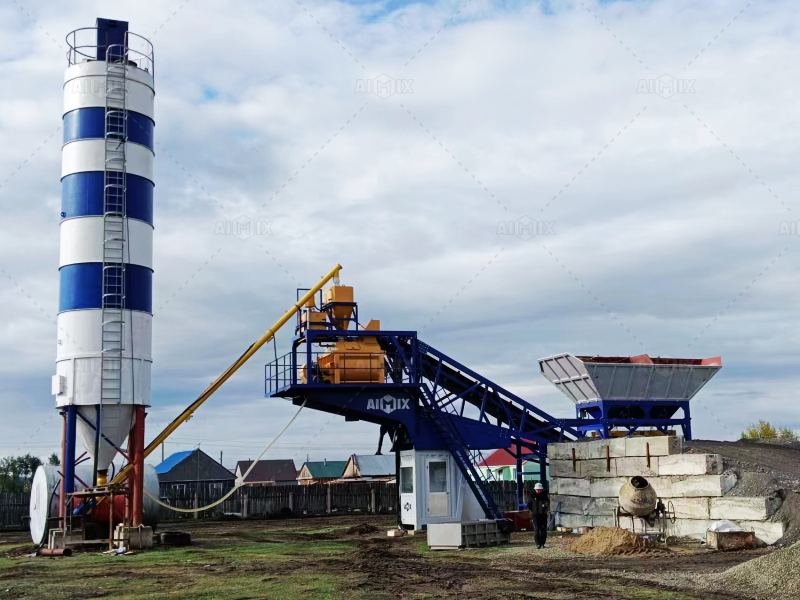
Regulatory compliance represents a critical consideration in the selection of batching plant manufacturers, as equipment must meet applicable safety, environmental, and performance standards. Reputable manufacturers design their equipment to comply with international standards, such as those established by the International Organization for Standardization (ISO), European Union directives, or regional regulatory frameworks. Certification of quality management systems, such as ISO 9001, provides assurance of consistent manufacturing quality and process control. Compliance with machinery safety standards, including risk assessment and safety system design, ensures safe equipment operation. Environmental regulations governing noise emissions, dust control, and water management influence equipment design and operational requirements. Manufacturers that demonstrate comprehensive understanding of regulatory requirements and design equipment accordingly reduce compliance risks and facilitate project approvals.
Documentation and certification provided by manufacturers play a crucial role in demonstrating regulatory compliance. Comprehensive technical documentation, including risk assessments, conformity declarations, and operational manuals, supports compliance verification and safe equipment operation. Third-party certification of critical components, such as pressure vessels or electrical systems, provides independent verification of compliance with applicable standards. The availability of complete and accurate documentation simplifies the permitting process and ensures regulatory compliance throughout the equipment’s operational life. Manufacturers that maintain up-to-date knowledge of evolving regulatory requirements and proactively design equipment to meet these standards provide significant value by reducing compliance-related risks and ensuring uninterrupted operation.
Strategic Partnerships and Long-Term Collaboration
The selection of a batching plant manufacturer often extends beyond a simple transactional relationship to encompass long-term strategic partnerships. Manufacturers that demonstrate a commitment to customer success through ongoing technical support, product development, and operational collaboration provide significant value over the equipment’s lifespan. Collaborative relationships enable manufacturers to develop deeper understanding of customer operational challenges and develop tailored solutions. Joint development projects, performance optimization initiatives, and knowledge sharing contribute to continuous improvement and operational excellence. Manufacturers that invest in understanding their customers’ businesses and strategic objectives can provide valuable insights and recommendations that enhance operational efficiency and competitive advantage.
The benefits of strategic partnerships extend to equipment updates, technology upgrades, and operational support. Manufacturers engaged in long-term relationships typically provide priority access to technical expertise, spare parts, and equipment upgrades. Collaborative problem-solving and continuous improvement initiatives enhance equipment performance and operational efficiency. The sharing of operational data and performance metrics enables manufacturers to identify optimization opportunities and develop targeted improvements. These partnerships create mutual value by driving innovation, enhancing operational performance, and ensuring the long-term competitiveness of both equipment users and manufacturers. The selection of a manufacturer willing to engage in such strategic partnerships represents a significant competitive advantage in the dynamic ready mix concrete industry.