Starting a concrete business can be a highly profitable venture, especially in regions experiencing urban growth and infrastructure development. A crucial step in launching such a business is acquiring the right equipment. Investing in a ready mix concrete plant for sale ensures consistent quality, efficient production, and the ability to scale operations. However, success depends not only on the plant itself but also on careful planning, understanding local market dynamics, and partnering with reliable ready mix concrete plant manufacturers.
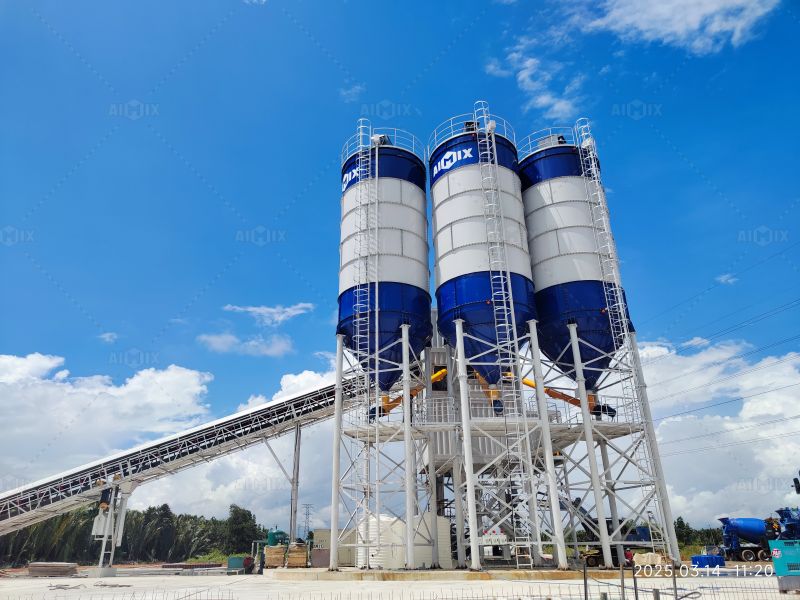
1. Assessing Market Demand and Project Opportunities
Before investing in a ready mix concrete plant in Bangladesh, understanding local demand is essential. Bangladesh is witnessing rapid urbanization, with new highways, residential complexes, and commercial projects driving the need for high-quality concrete. Entrepreneurs must research construction trends in both urban and suburban areas to estimate potential sales volumes.
Equally important is identifying key customer segments. These may include contractors, developers, and government agencies. Large-scale construction projects require steady and high-capacity concrete supply, while smaller projects might need flexible delivery options. Knowing your target market allows you to select a plant capacity that matches local demand without overinvesting.
Finally, studying competitors is critical. Analyzing the number of existing ready mix plants in Sri Lanka or Bangladesh, their pricing models, and service levels will help you position your business strategically. Offering consistent quality and reliable delivery can become a key differentiator.
2. Selecting the Right Plant
Choosing a ready mix concrete plant for sale involves more than simply purchasing equipment. There are several considerations to ensure the plant meets your business goals. First, decide between stationary and mobile plants. Stationary plants offer higher capacity, suitable for long-term projects with predictable production needs. Mobile plants provide flexibility for smaller or multiple-site projects.
Second, evaluate automation levels. Modern ready mix concrete plant manufacturers offer semi-automatic and fully automatic plants. Automated plants improve production consistency, reduce human error, and allow easier integration with digital monitoring systems. While the upfront cost may be higher, long-term efficiency and reduced labor expenses make it a worthwhile investment.
Finally, consider the plant’s capacity and mix options. If your business anticipates supplying various concrete grades, select a plant capable of batching multiple mixes. For regions like Bangladesh and Sri Lanka, where construction standards may vary, a versatile plant ensures you can meet diverse customer specifications without significant downtime.
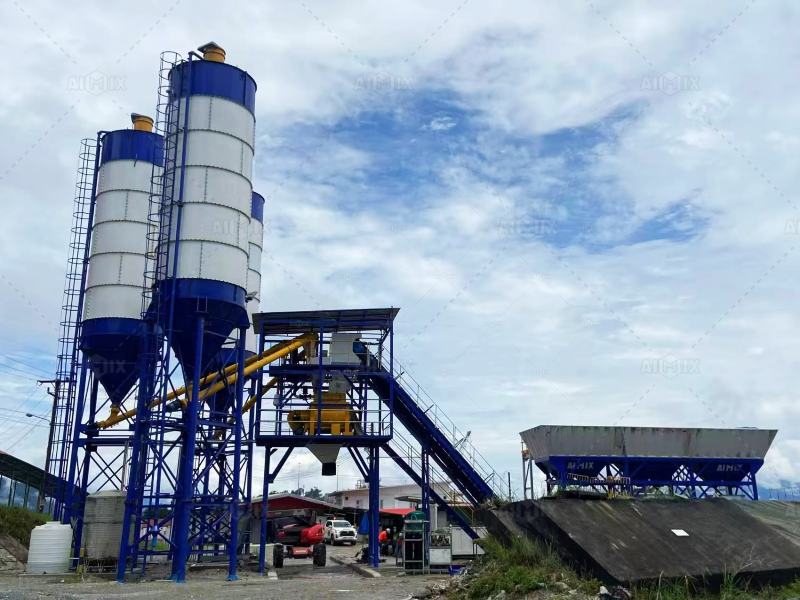
3. Understanding Costs and Financing Options
Acquiring a ready mix plant in Sri Lanka or Bangladesh involves significant investment. The cost includes the plant itself, shipping, installation, training, and sometimes import duties if sourced from international ready mix concrete plant manufacturers. A detailed cost breakdown ensures you understand the total investment required.
Financing options are available to ease the upfront burden. Many manufacturers offer leasing or installment plans, while local banks may provide equipment loans for construction entrepreneurs. Proper financial planning should also account for working capital, including raw material procurement, labor, and logistics.
It is important to weigh the trade-offs between cost and quality. Cheaper plants may reduce initial spending but can result in higher maintenance costs or inconsistent concrete quality. Prioritizing a reliable, durable plant ensures long-term profitability and customer satisfaction.
4. Setting Up Operations and Logistics
Efficient operations are vital for a successful concrete business. After purchasing a ready mix concrete plant in Bangladesh or Sri Lanka, ensure proper installation, staff training, and adherence to safety protocols. Manufacturers typically provide installation support and operator training to minimize startup issues.
Logistics planning is also crucial. Ready mix concrete must be delivered promptly to prevent setting before reaching the site. Developing a reliable fleet of transit mixers and optimizing delivery routes will enhance customer satisfaction and reduce waste.
Additionally, ongoing monitoring and maintenance ensure consistent production quality. Many modern ready mix concrete plant manufacturers include digital monitoring systems that track mixing parameters, enabling preventive maintenance and minimizing downtime.
5. Marketing and Building a Customer Base
Starting a concrete business isn’t complete without marketing. Identify key clients, such as construction contractors, real estate developers, and government agencies. Highlight the advantages of your plant, including consistent quality, on-time delivery, and environmentally friendly practices.
Offering trial batches or demonstration projects can attract new customers. Case studies from projects using a ready mix plant in Sri Lanka or Bangladesh can build credibility and demonstrate reliability.
Finally, establishing strong relationships with suppliers and manufacturers ensures a steady supply of raw materials and technical support. Partnering with trusted ready mix concrete plant manufacturers not only guarantees quality equipment but also ongoing service and expertise that can help your business grow sustainably.
Conclusion
Starting a concrete business with a ready mix concrete plant for sale requires careful planning, from assessing market demand to selecting the right plant and managing operations efficiently. Regions like Bangladesh and Sri Lanka offer growing opportunities, provided you invest in the right equipment, such as a ready mix concrete plant in Bangladesh or a ready mix plant in Sri Lanka, and work closely with experienced ready mix concrete plant manufacturers. With proper planning, financial management, and operational execution, a concrete business can thrive, delivering quality concrete while maintaining profitability and scalability.