When it comes to large-scale infrastructure projects, such as road construction or resurfacing, efficient planning and execution are essential. One of the most important factors influencing project delivery time is the capacity of the asphalt plant used in the project. Additionally, the overall project size, including factors like road length and environmental conditions, plays a significant role. Understanding how these two elements—project size and asphalt plant capacity—interact is crucial for both contractors and project managers to meet deadlines, avoid delays, and optimize resources. In this article, we will explore the relationship between project size and asphalt plant capacity and how they directly impact project delivery time.
Understanding Asphalt Plant Capacity
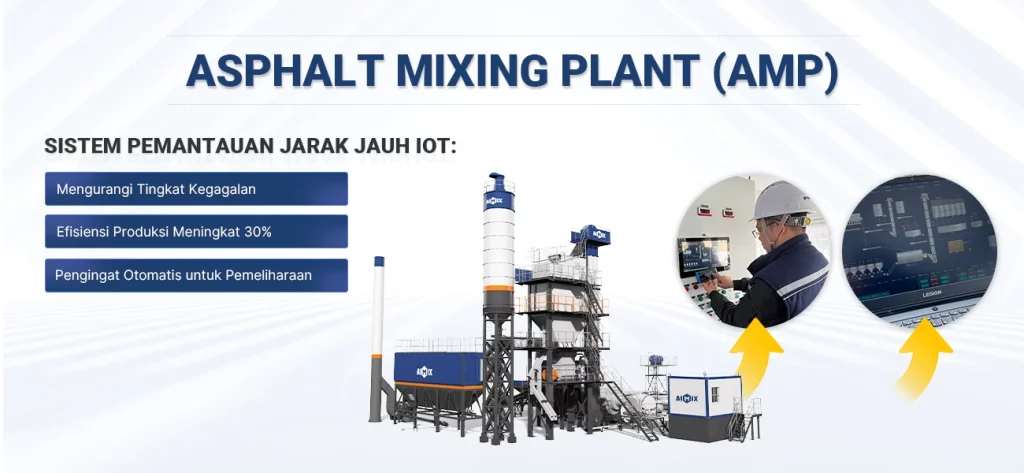
Asphalt plants are the backbone of any road construction project, responsible for producing the asphalt mixture used in paving roads. The capacity of an asphalt plant determines how much asphalt it can produce in a given time, usually measured in tons per hour (TPH). Depending on the type of plant—whether batch or drum mix—the plant’s output will vary. A batch plant produces smaller, higher-quality batches, whereas a drum mix plant continuously produces larger quantities of asphalt.
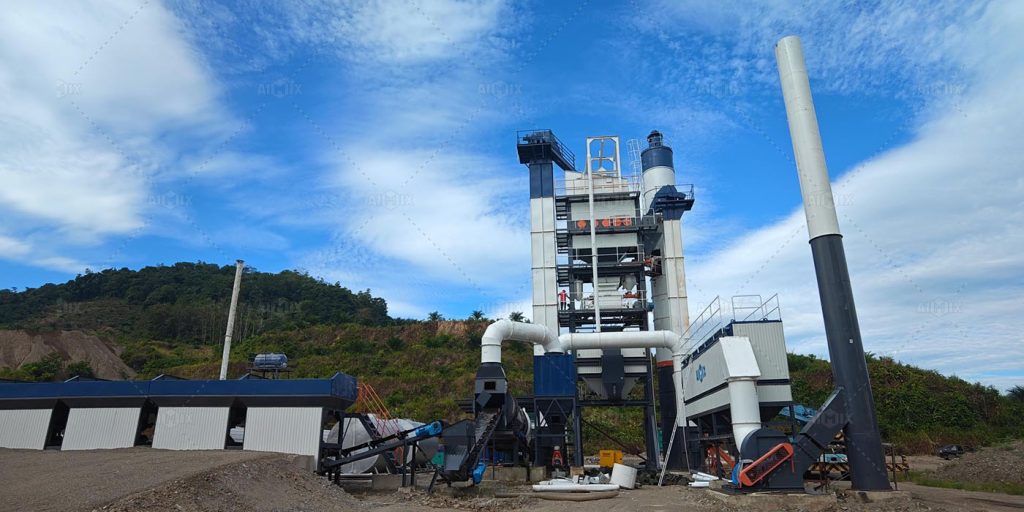
When selecting an asphalt plant, it’s important to match its capacity to the project’s needs. For example, a small, localized project might require a plant with a lower capacity, while larger projects, such as highway construction, demand plants with higher throughput. Understanding the plant’s production capability ensures that there is a consistent supply of asphalt to meet the demand of the construction crew and avoid downtime. If you’re looking for reliable aggregate industries asphalt plants, AIMIX offers a variety of options tailored to different project sizes.
The Role of Project Size in Determining Asphalt Plant Needs
Project size is a crucial factor that influences asphalt plant capacity requirements. Larger projects, such as highways or multi-lane roads, require more asphalt and a higher plant output. Smaller projects, like residential roads or patchwork repairs, demand significantly less asphalt, which means a smaller plant can suffice.
For large-scale projects, having an asphalt plant with a higher capacity becomes essential to meet tight deadlines and supply the necessary volume of asphalt. Delays in asphalt production can extend the project timeline, leading to a cascade of issues that affect both scheduling and cost management. On the other hand, small-scale projects can afford to work with smaller plants, as long as the plant can produce enough asphalt for the job within the expected timeframe. If you’re looking for a compact option for smaller projects, consider our mini asphalt plant for sale.
Project Size and Asphalt Demand
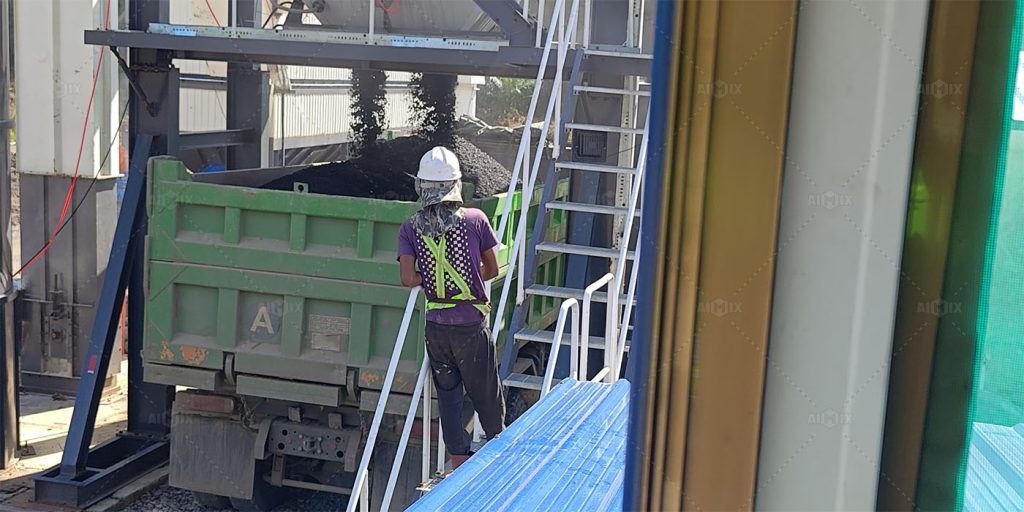
The size of the project directly impacts the total asphalt demand, which in turn influences the required plant capacity. A larger project with more square footage or a longer stretch of road will naturally need more asphalt. This can lead to longer working hours or the need for multiple plant setups, depending on the project’s complexity and location. For instance, projects in remote areas may require the use of mobile asphalt plants to meet delivery time requirements, while projects in urban centers may have access to larger, more efficient fixed plants. Asphalt plants such as the HMA plant are often used for large projects due to their efficiency and high output.
Additionally, the scope of the project often determines the type of asphalt required. Special mixes or high-performance asphalt that is tailored for specific weather conditions (like extreme heat or cold) or heavier traffic can influence the overall production process, requiring plants with the necessary capabilities.
How Asphalt Plant Capacity Affects Project Delivery Time
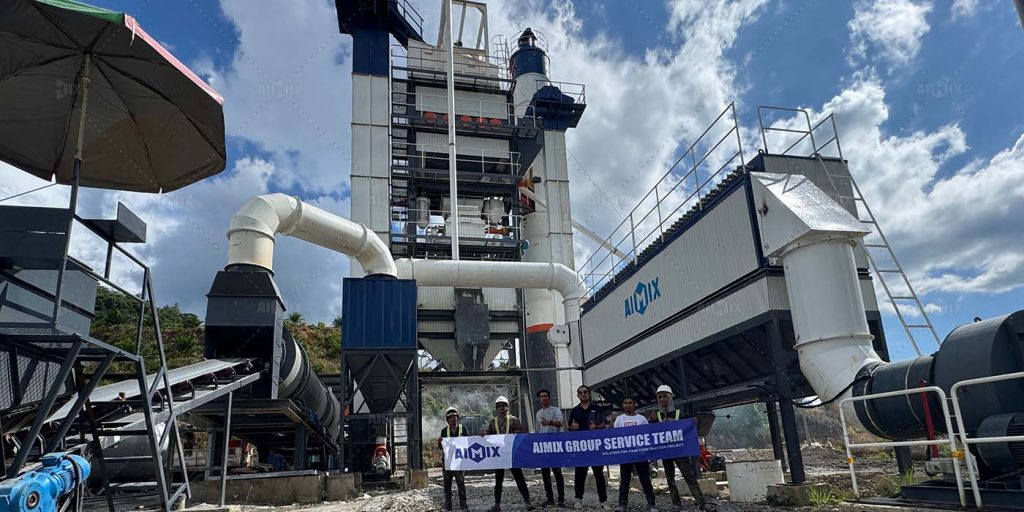
The capacity of an asphalt plant plays a direct role in determining how quickly a project can be completed. Larger-capacity plants produce more asphalt per hour, reducing the likelihood of delays caused by insufficient material supply. On the other hand, smaller plants may struggle to meet the demand of larger projects, causing interruptions in construction schedules and potentially leading to increased labor costs due to downtime.
Efficient asphalt plant operation, therefore, is critical to maintaining the momentum of the construction project. A plant that operates at its maximum capacity will help meet production goals without overloading the system, which can cause bottlenecks and inefficiencies. To ensure timely project delivery, contractors must assess their needs based on both project size and asphalt plant capacity. If you are looking for reliable asphalt plant manufacturers that can provide customized solutions, AIMIX offers plants suited to all types of projects.
Matching Plant Capacity to Project Timeline
When planning an asphalt project, it is essential to consider the time frame available for completion. If a project has a tight deadline, a higher-capacity asphalt plant may be necessary to ensure that the project stays on track. In such cases, contractors may opt for plants that can produce asphalt faster and in larger quantities. Conversely, for projects with more flexible timelines, contractors might choose to work with a plant that has a smaller capacity, which can still meet demand without overextending resources.

The Importance of Optimizing Plant Usage
Beyond simply selecting the right asphalt plant based on capacity, contractors must also focus on optimizing the plant’s usage to ensure that it contributes to the project’s success. Proper scheduling of plant usage, coordination between the construction crew and plant operators, and continuous monitoring of asphalt production can prevent delays caused by equipment failure or inefficiencies.
For larger projects, multiple asphalt plants may be required to keep up with production needs. It is also important to consider logistics—how the asphalt will be transported from the plant to the construction site. Efficient planning and logistics can help reduce unnecessary delays and ensure that asphalt is available when and where it is needed.
The Impact of Weather Conditions on Plant Capacity
Weather conditions can also impact the delivery time of asphalt projects. Extreme heat or cold can affect the quality of the asphalt mixture and the plant’s operational efficiency. In such cases, project managers must plan ahead and adjust the plant’s output to ensure that the asphalt meets the project’s specifications, despite environmental challenges.
Conclusion: Maximizing Project Delivery Efficiency
In conclusion, both project size and asphalt plant capacity are crucial factors in determining the success and efficiency of a road construction project. By understanding the interaction between these two elements, contractors can choose the right plant and ensure a smooth project flow. A well-matched plant capacity and project size will help prevent delays, reduce costs, and ensure the timely delivery of high-quality asphalt to the construction site.
Whether you’re managing a large highway project or a smaller residential road construction, it’s important to carefully consider these factors and plan accordingly. Investing in the right asphalt plant and optimizing its capacity usage can make a significant difference in meeting project deadlines and achieving project success.
Contact us today to learn more about how our asphalt plants can help ensure timely project delivery for your next road construction project. Let us provide you with the right equipment for your needs!